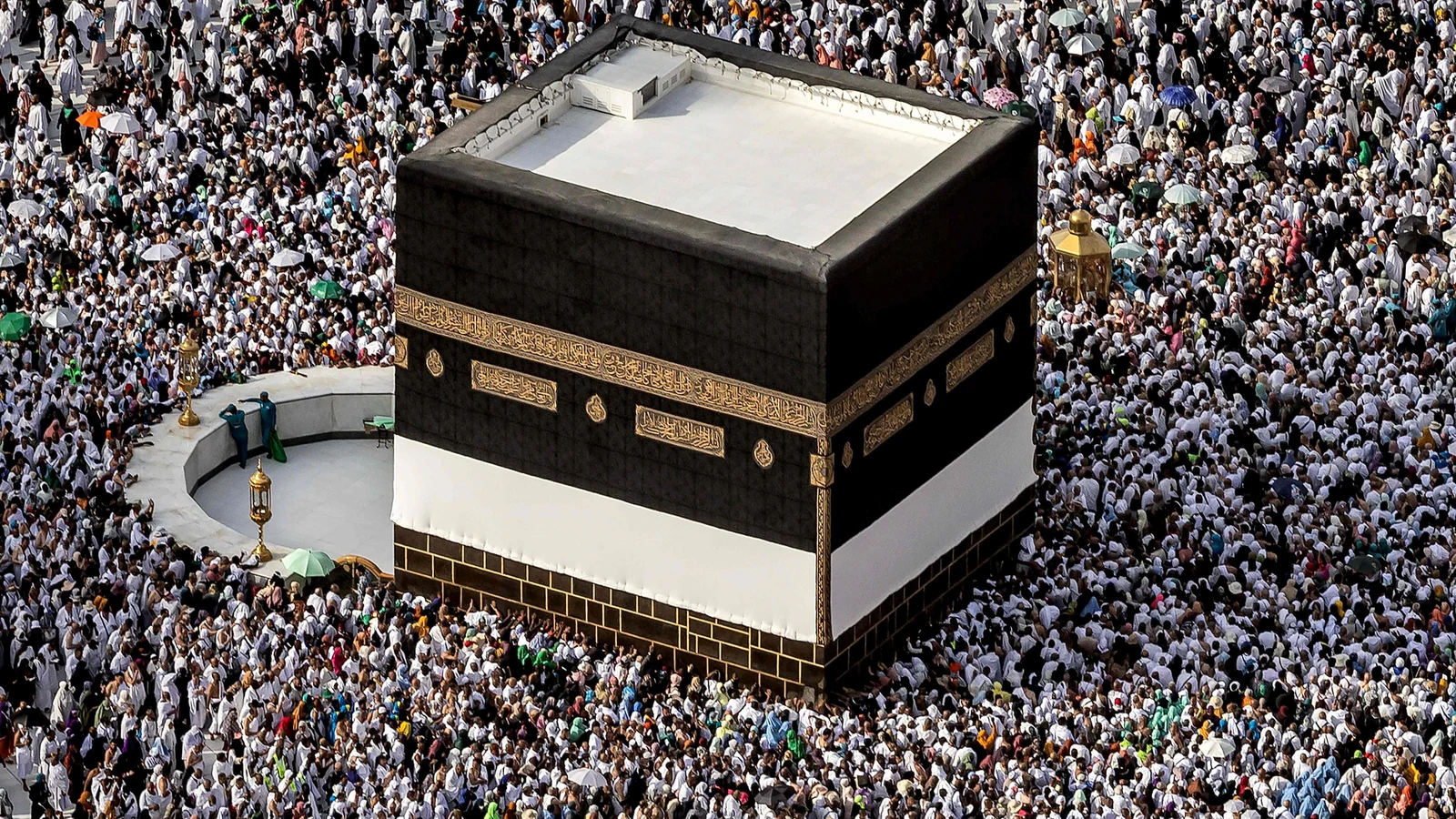
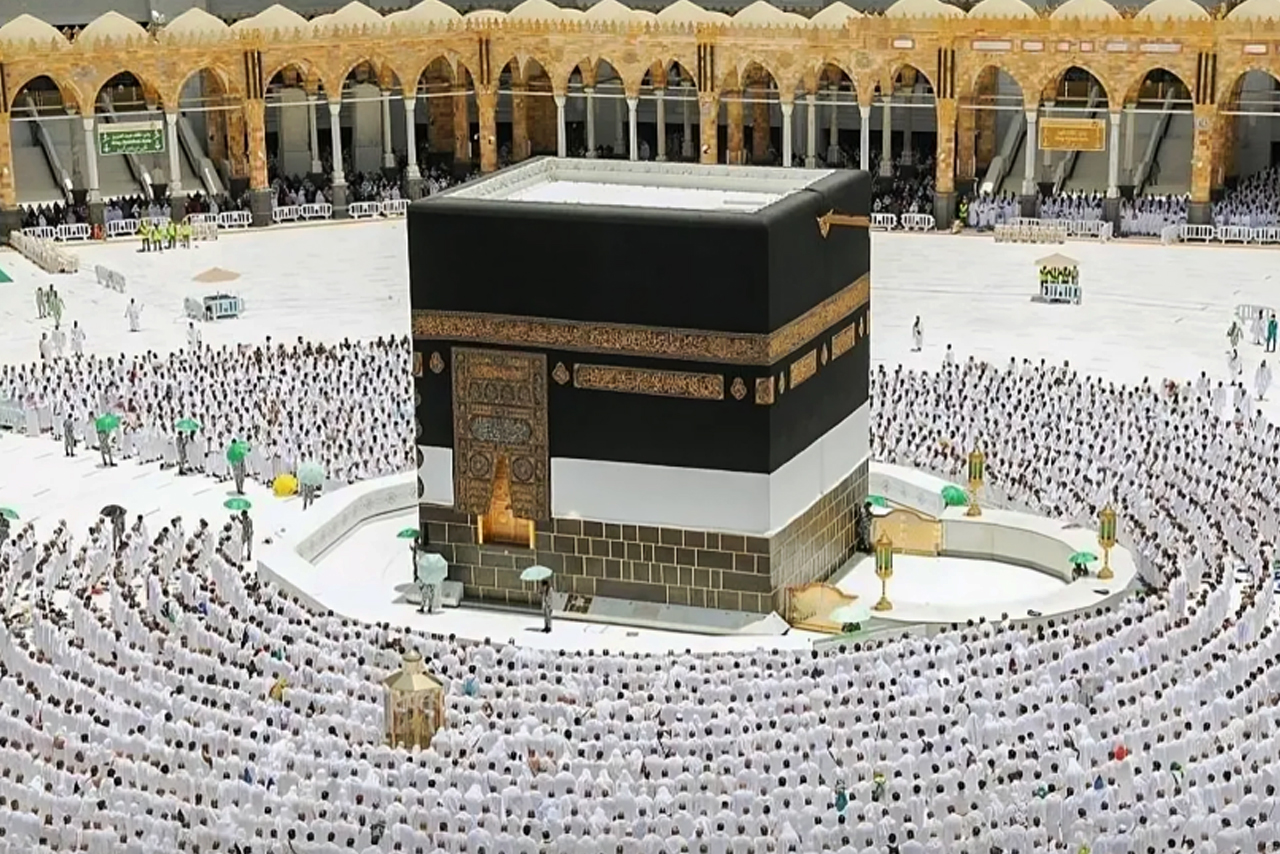
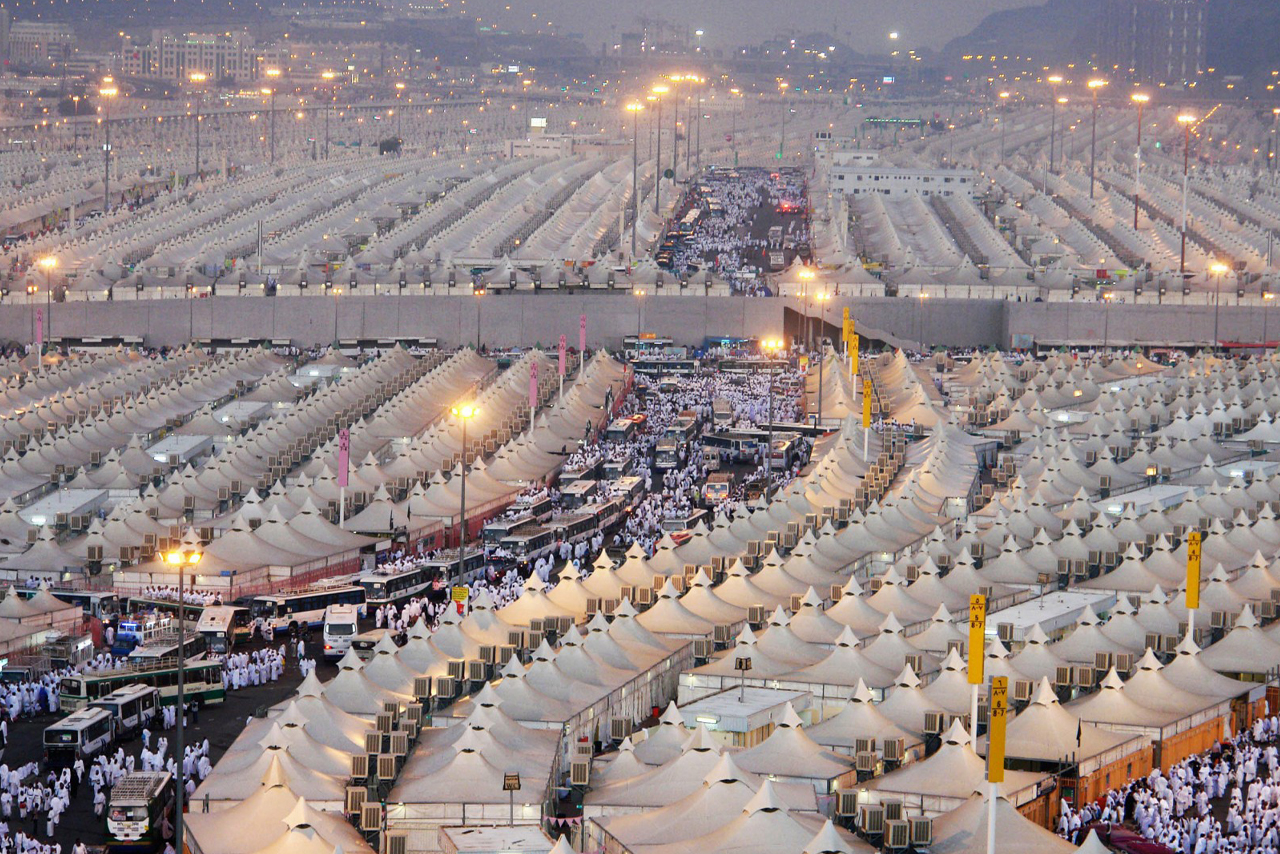
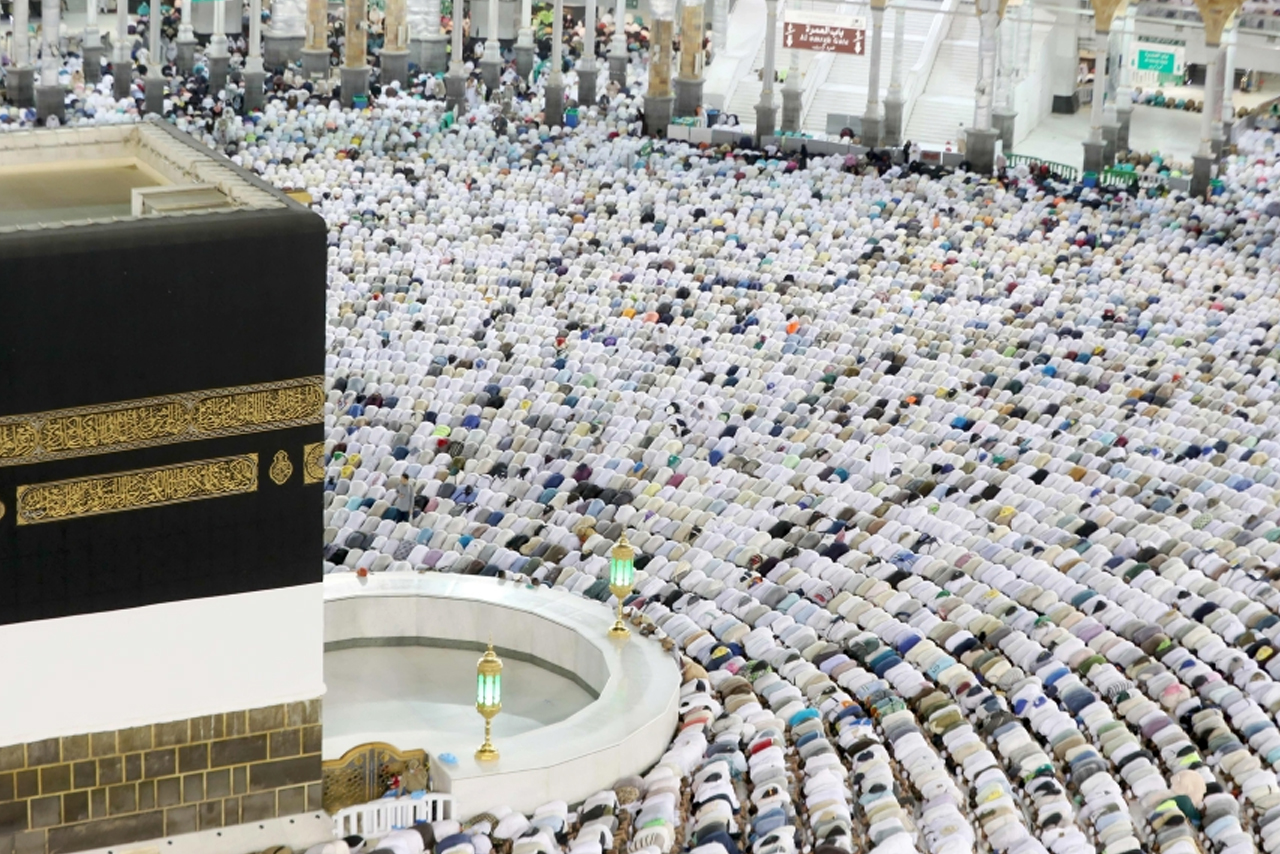
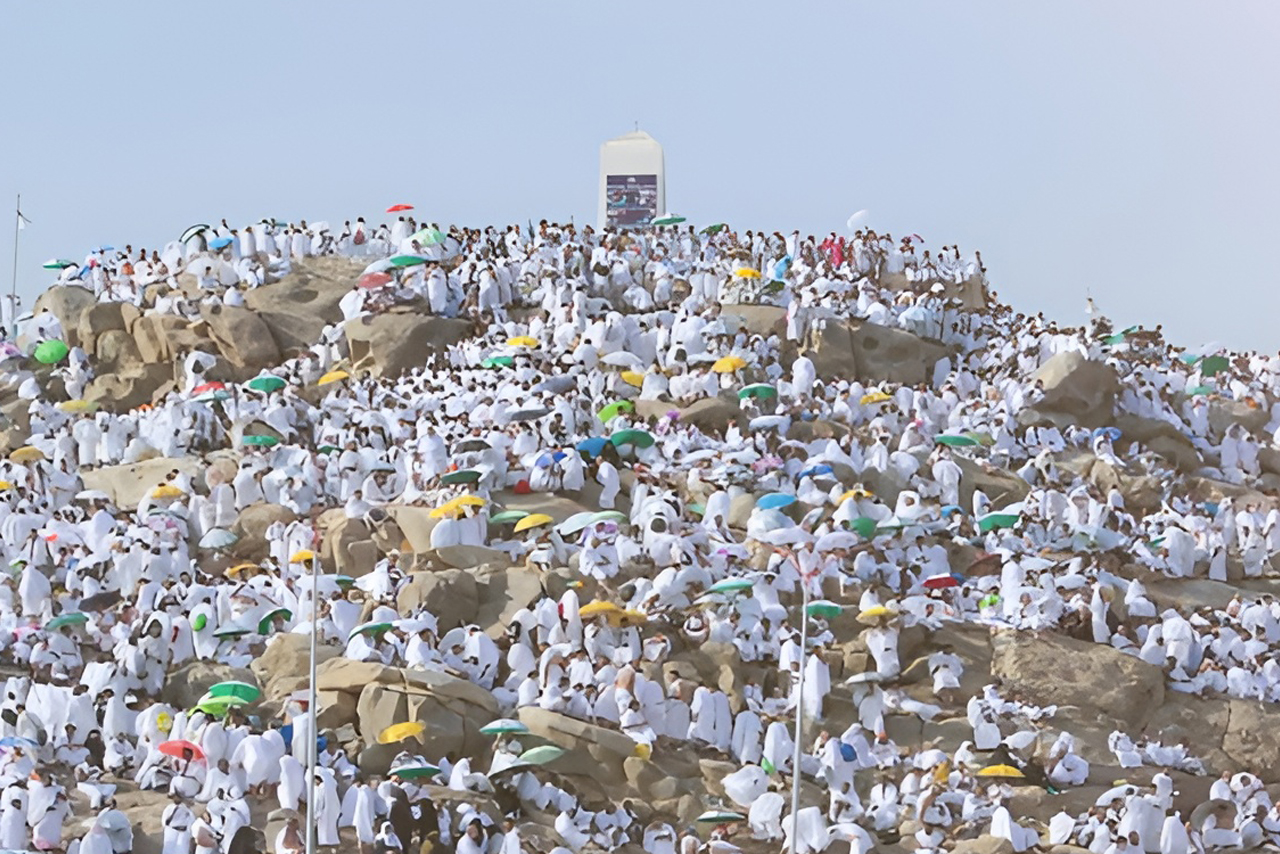
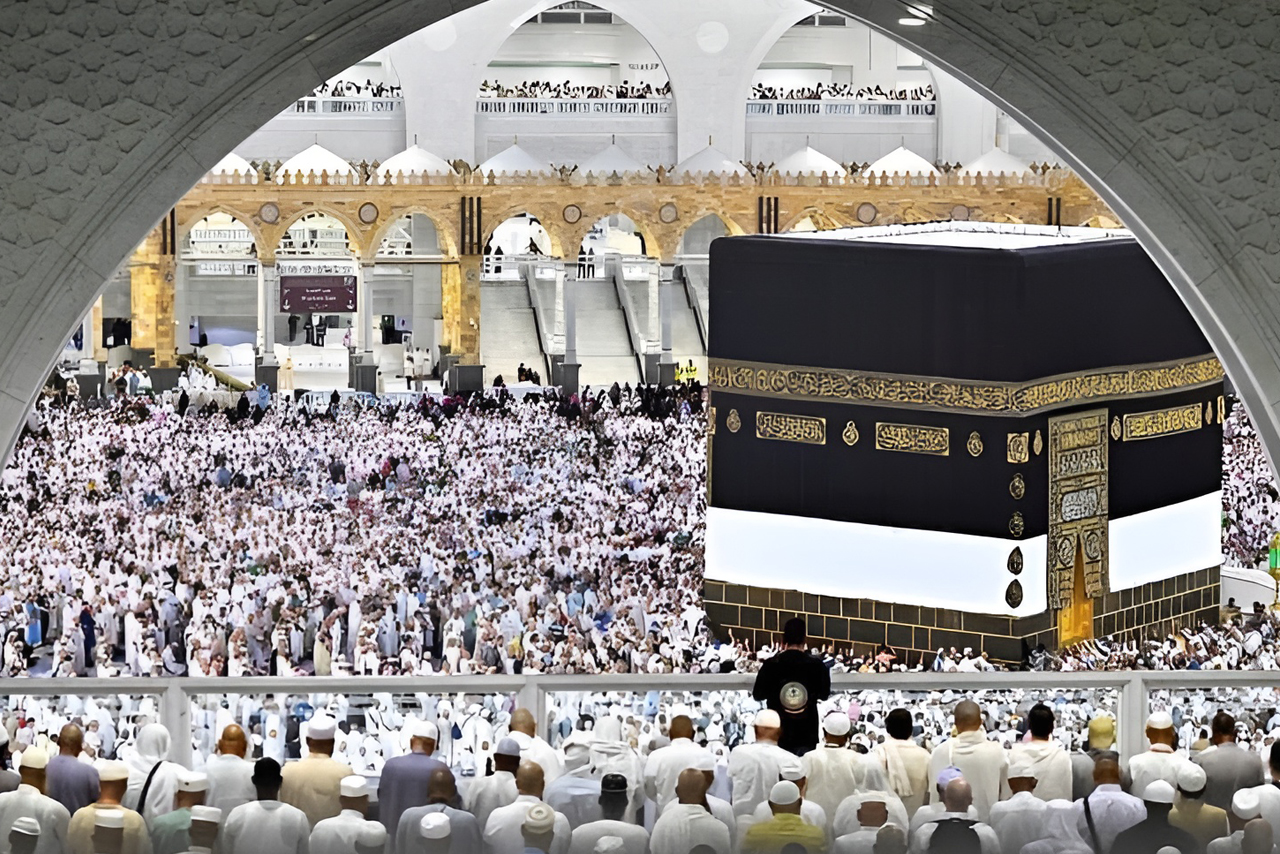
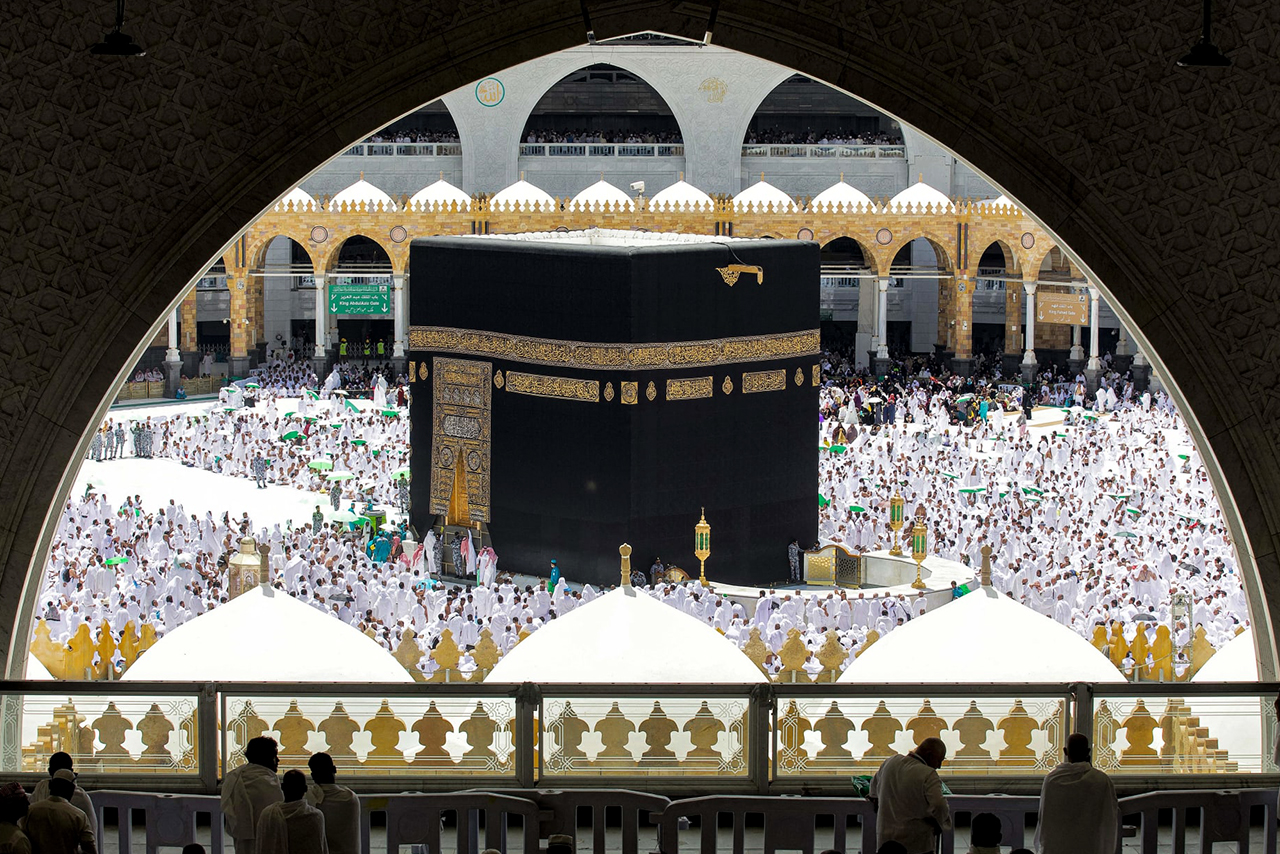
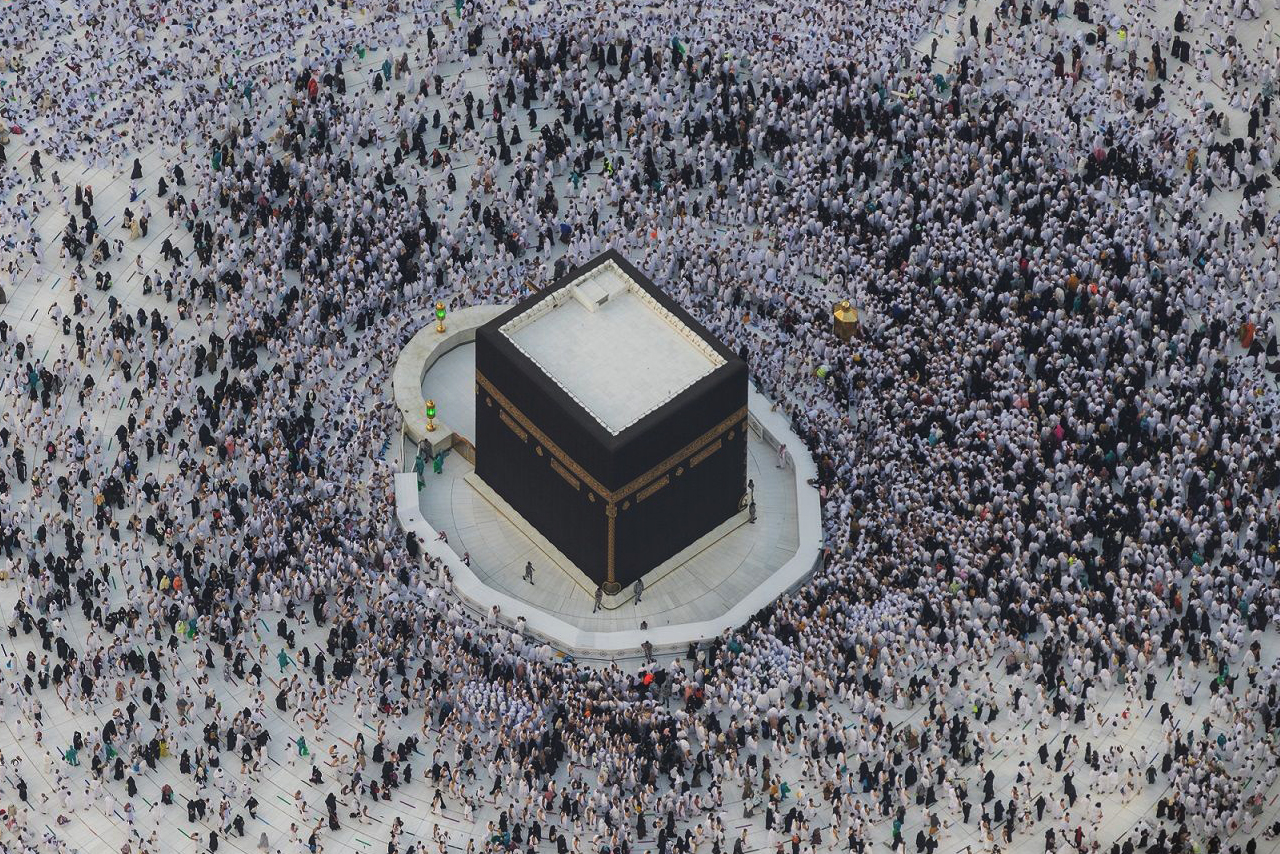
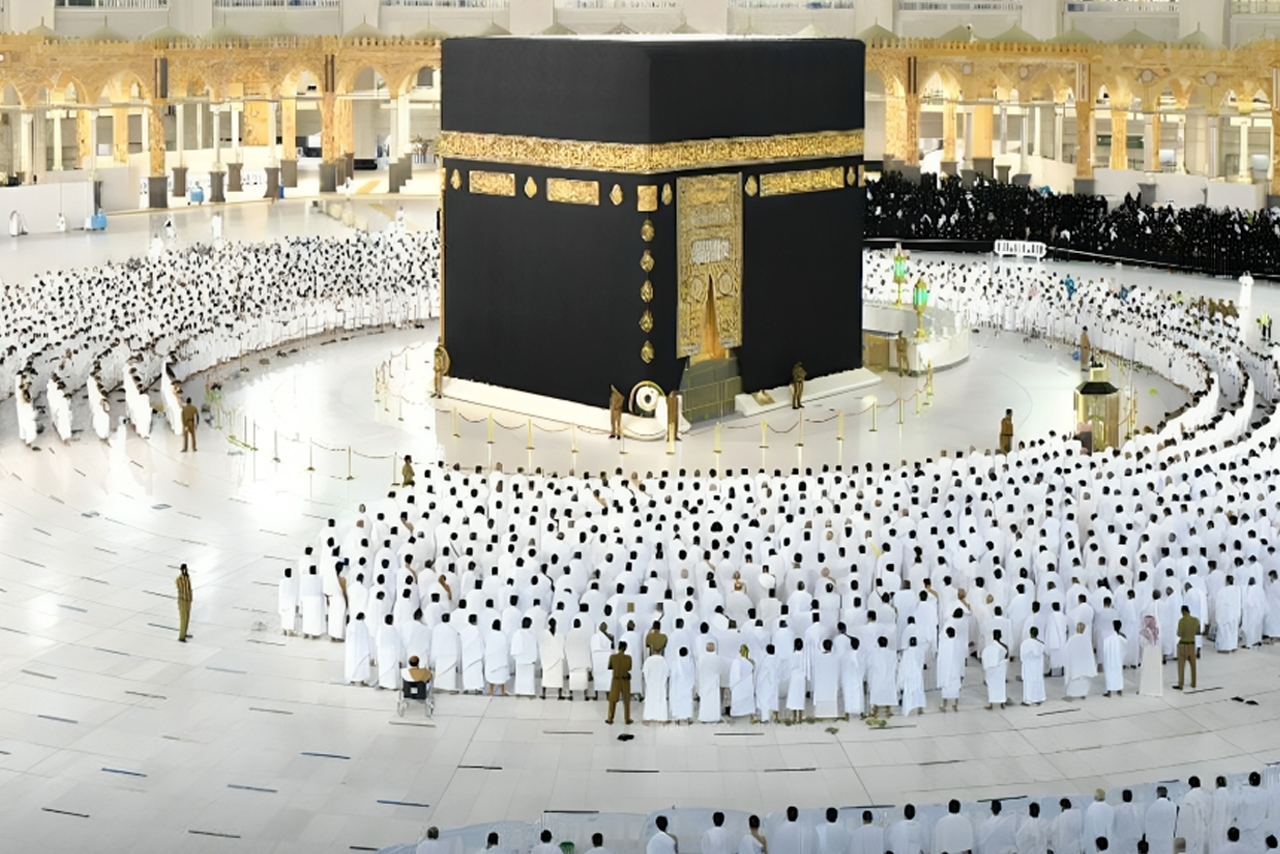
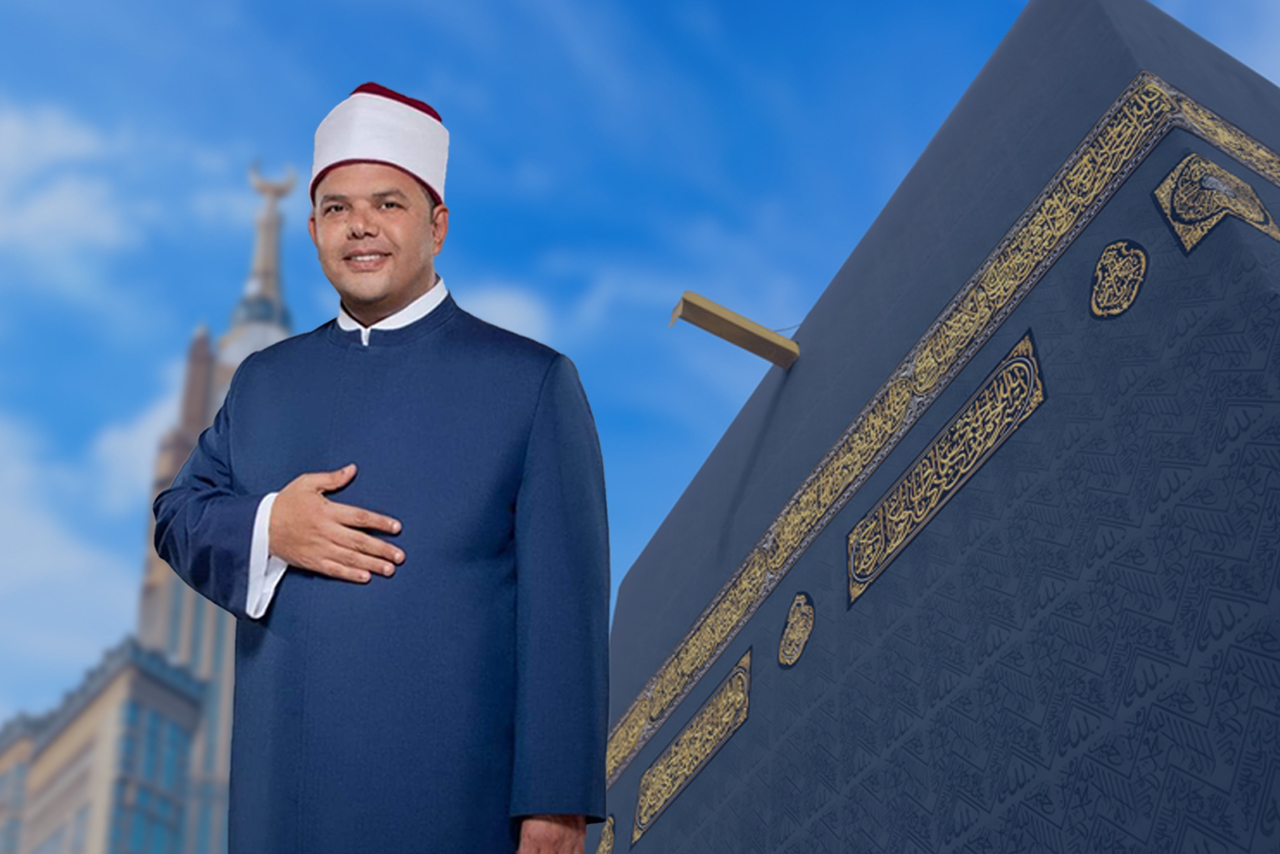
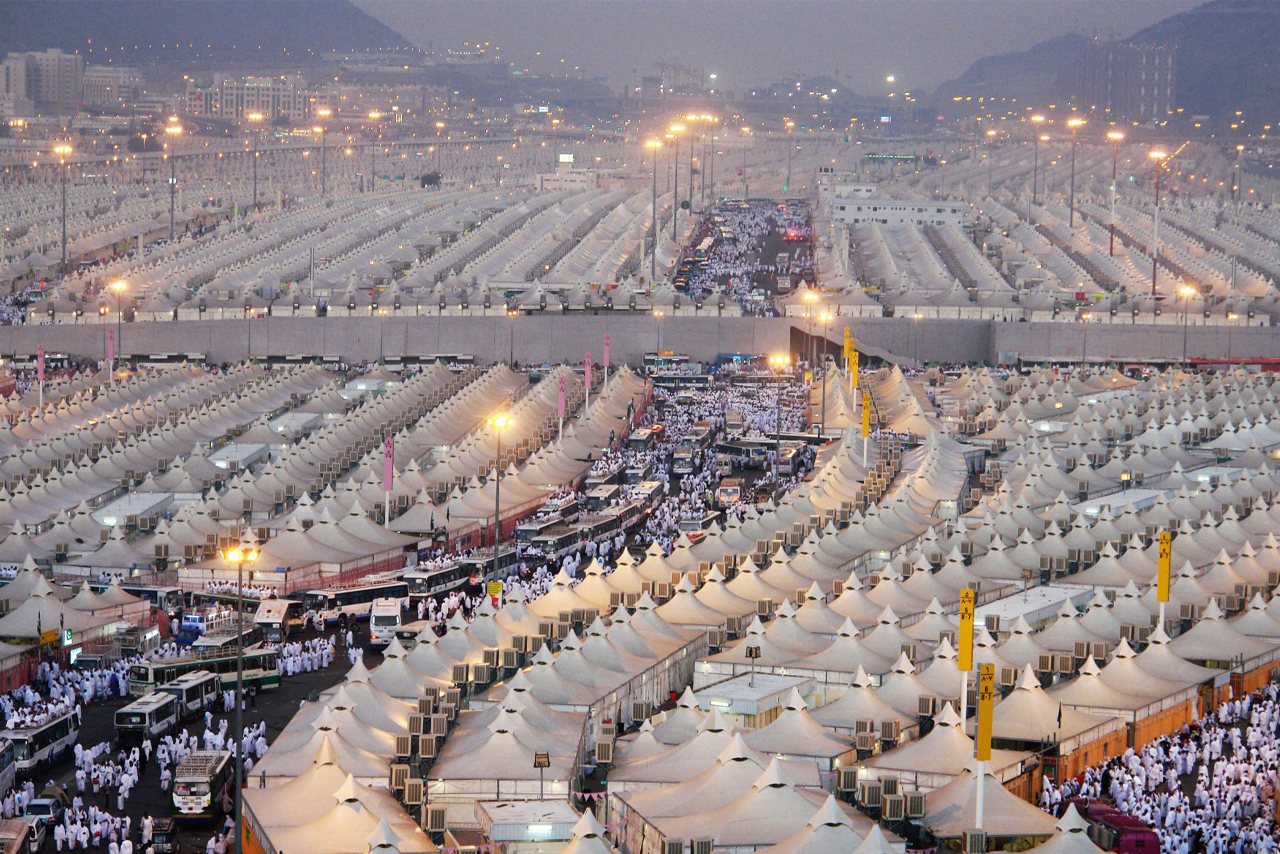
Your Guide to Hajj Rituals: Step-by-Step Instructions for Hajj Ifrad, Qiran and Tamattu As the Hajj season approaches, questions and inquiries about the types of Hajj and their respective rituals increase. To prevent any confusion or mixing of information during explanations, we will provide a detailed description of each type of Hajj and its rituals. Additionally, we will organize a timeline to help you understand the daily rituals of Hajj. What is Hajj Ifrad? Hajj Ifrad is when the pilgrim intends to perform Hajj alone without including Umrah. The rituals of Hajj Ifrad are as follows: On the Way to Hajj Ifrad Ihram The pilgrim enters the phase of ihram from the designated miqat. These miqats are specific locations established by the Prophet Muhammad (peace be upon him) for Muslims to assume ihram. For pilgrims from Egypt, the miqat is " Juhfah" . However, since it no longer exists, it has been replaced by the miqat of " Rabigh" . When the bus or plane passes the miqat, passengers are informed, and the pilgrim assumes ihram, saying: "Labbaik Hajjan" (Here I am, O Allah, for Hajj), and begins saying the Talbiyah: "Labbaik Allahumma Labbaik, Labbaik La Sharika Laka Labbaik, Innal Hamda Wan-Ni'mata Laka Wal-Mulk, La Sharika Laka." Preparations like bathing, perfuming the body for men, and donning the ihram garments can be done at home before departure. Upon Arrival for Hajj Ifrad Tawaf Al-Qudum (Arrival Tawaf) The pilgrim performs seven rounds of tawaf around the Kaaba. For men, two Sunnahs apply during tawaf: Idtiba: Draping the ihram garment to expose the right shoulder. Raml: Walking briskly during the first three rounds. After completing the tawaf, the pilgrim prays two rak'ahs near the Station of Ibrahim or anywhere in the Haram to avoid crowding. Sa’i Between Safa and Marwah The pilgrim may choose to perform Sa’i between the hills of Safa and Marwah, starting at Safa and finishing at Marwah. The Eighth of Dhul-Hijjah: Yawm At-Tarwiyah (The Day of Preparation) The pilgrim remains in ihram and spends the night in Mina. The Ninth of Dhul-Hijjah: Yawm Arafah (The Day of Arafah) The pilgrim travels to the plain of Arafah, prays Dhuhr and Asr combined and shortened (Qasr and Jama'), following the example of Prophet Muhammad (peace be upon him), and stands at Arafah until sunset. After sunset, the pilgrim moves to Muzdalifah, where they spend the night. The Tenth of Dhul-Hijjah:The Day of Sacrifice The pilgrim performs the following: Prays Fajr in Muzdalifah, then heads to Mina. Throws stones at the Jamrah Al-Aqaba (the largest pillar). Shaves their head or trims their hair, which completes the minor release from ihram (Tahallul Asghar). All restrictions are lifted except for marital relations. Performs Tawaf Al-Ifadah in the Haram without idtiba or raml, followed by Sa’i between Safa and Marwah if it wasn’t performed earlier. The major release from ihram (Tahallul Akbar) is then achieved, and all restrictions are lifted. The pilgrim returns to Mina for the night. The 11th, 12th, and 13th of Dhul-Hijjah: Ayyam At-Tashreeq The pilgrim throws stones at all three pillars (Jamrah Al-Kubra, Al-Wusta, and As-Sughra) each day after the sun passes its zenith after Dhuhr adhan.Before Departure The pilgrim performs Tawaf Al-Wada’ (Farewell Tawaf) without idtiba or raml, signaling the completion of their Hajj. Hajj Qiran: The Hajj of the Prophet (peace be upon him) Hajj Qiran is when the pilgrim combines Hajj and Umrah, intending to perform both together.On the way to Hajj Qiran: Ihram: When passing by the designated miqat, the pilgrim assumes ihram for both Hajj and Umrah, saying, "Labbaik Hajjan wa Umrah." Upon arrival: Tawaf: The pilgrim performs Tawaf Al-Qudum (Arrival Tawaf) with seven circuits around the Kaaba, following the Sunnahs of brisk walking (raml) and exposing the right shoulder (idtiba) for men. Afterward, they pray two rak'ahs of Tawaf. Sa’i: The pilgrim may perform Sa’i between Safa and Marwah at this stage or postpone it. The 8th of Dhul-Hijjah (At-Tarwiyah Day): The pilgrim goes to Mina to spend the night there. The 9th of Dhul-Hijjah (Arafah Day): The pilgrim proceeds to Arafah, prays Dhuhr and Asr combined and shortened, following the Sunnah of the Prophet (peace be upon him), and stands in Arafah until sunset. After sunset, the pilgrim moves to Muzdalifah to pray Maghrib and Isha and spends the night there, praying Fajr on the morning of the 10th. The 10th of Dhul-Hijjah (Day An-Nahr): The pilgrim heads to Mina to perform the following: - Throw stones at the Jamrah Al-Aqaba (the largest pillar). - Sacrifice an animal. - Shave their head or trim their hair, completing the minor release from ihram (Tahallul Asghar). At this point, all restrictions of ihram are lifted except marital relations. The pilgrim then travels to the Haram in Mecca to perform Tawaf Al-Ifadah without raml or idtiba. If Sa’i was not performed earlier, it is done now. This marks the major release from ihram (Tahallul Akbar), lifting all restrictions. The pilgrim returns to Mina to spend the night. The 11th, 12th, and 13th of Dhul-Hijjah (Days At-Tashreeq): The pilgrim throws stones at all three Jamrah pillars (Jamrah Al-Kubra, Al-Wusta, and As-Sughra) each day, in order, with takbeer accompanying each throw after Dhuhr adhan Before departure: The pilgrim performs Tawaf Al-Wada’ (Farewell Tawaf) without raml or idtiba, completing the rituals of Hajj.Hajj Tamattu' is when the pilgrim intends to perform Umrah separately from Hajj. Here are the steps for this type of pilgrimage:On the way to Hajj Tamattu': Ihram: At the miqat, the pilgrim assumes ihram for Umrah with the intention of Tamattu’ and says, "Labbaik Umrah mutamatti’an biha ilal-Hajj." Upon arrival: Tawaf: The pilgrim performs Tawaf around the Kaaba for seven circuits, with idtiba (exposing the right shoulder) and raml (brisk walking). Afterward, they pray two rak’ahs of Tawaf. Sa’i: The pilgrim performs Sa’i between Safa and Marwah for seven complete circuits. Halq or Taqsir: The pilgrim ends the Umrah by shaving their head or trimming their hair, exiting ihram. The 8th of Dhul-Hijjah (Yawm At-Tarwiyah): The pilgrim assumes ihram again, this time for Hajj, from their current location. They then proceed to Mina, where they spend the night and pray Fajr. The 9th of Dhul-Hijjah (Yawm Arafah): After Fajr in Mina, the pilgrim goes to Arafah. At Masjid Namirah, they pray Dhuhr and Asr, combined and shortened, following the Sunnah of the Prophet (peace be upon him). The pilgrim remains in Arafah until sunset. After sunset, they travel to Muzdalifah, where they pray Maghrib and Isha and spend the night. The 10th of Dhul-Hijjah (Yawm An-Nahr): The pilgrim goes to Mina again to perform the following: - Throw stones at Jamrat Al-Aqaba (the largest pillar). - Sacrifice an animal. - Shave their head or trim their hair. The pilgrim then proceeds to Mecca to perform Tawaf Al-Ifadah without idtiba or raml, followed by Sa’i between Safa and Marwah. At this point, all prohibitions of ihram are lifted. The pilgrim returns to Mina to spend the night. The 11th, 12th, and 13th of Dhul-Hijjah (Ayyam At-Tashreeq): The pilgrim spends the nights in Mina and performs the stoning of the three Jamrah pillars each day after the sun passes its zenith. The stoning order is the largest (Al-Kubra), middle (Al-Wusta), and smallest (Al-Sughra), one by one, while saying takbeer after Dhuhr adhan. Before departure: The pilgrim performs Tawaf Al-Wada’ (Farewell Tawaf) without idtiba or raml and prays two rak’ahs as Sunnah for Tawaf. With this, the Hajj is complete. One of the key advantages of traveling with Disola Tours is the exceptional religious supervision, including intensive guidance sessions and close accompaniment throughout the pilgrimage to ensure every pilgrim performs the rituals perfectly.You can view our various Hajj programs with Disola here.